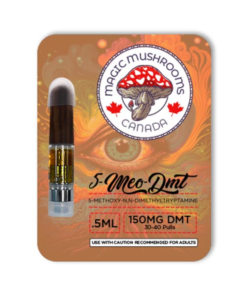
dmt-for-sale (N,N-Dimethyltryptamine) a naturally occurring psychedelic compound found in certain plants and in trace amounts in some animals. It also produced synthetically for research purposes. DMT known for producing intense, short-lasting alterations in perception, thought, and consciousness.
How DMT Works
DMT primarily interacts with serotonin receptors in the brain, especially the 5-HT2A receptor, which believed to play a major role in its psychedelic effects. Researchers continue to study its pharmacology and potential therapeutic applications.
Duration
The duration depends on the route of administration. Effects can range from several minutes to several hours, depending on how it taken and the formulation involved.
Current Research
Scientists investigating psychedelic compounds, including DMT, for their potential role in treating conditions such as depression, anxiety, and post-traumatic stress disorder. Most of this research conducted under controlled clinical settings, and these uses still being studied.
Legal Status
The legal status of DMT varies widely by country. In many jurisdictions it a controlled substance, while some religious or research uses may have limited legal exemptions.
Frequently Asked Questions
- What DMT?
DMT is a naturally occurring psychedelic compound found in certain plants and studied for its effects on the brain. - How does DMT affect the brain?
It primarily acts on serotonin receptors involved in perception and cognition. - DMT legal?
Laws differ depending on the country and jurisdiction. - DMT being studied medically?
Yes. Researchers are investigating its potential therapeutic uses in controlled clinical settings. - How long do the effects last?
The duration varies depending on the route of administration and other factors.